Office cleaning Canary Wharf businesses local cleaners: a practical guide for smarter workplaces
If you run a business in Canary Wharf, you already know the place has its own rhythm. People move quickly, desks fill up fast, meeting rooms need to look sharp by 9 a.m., and even a little dust on a glass table can make a space feel tired. That is where office cleaning Canary Wharf businesses local cleaners becomes more than a nice-to-have. It is part of how you protect your brand, keep staff comfortable, and make the day run smoothly.
This guide explains what good office cleaning looks like in a busy London setting, how local cleaners usually work, what to ask before you book, and where the common pitfalls are. No fluff. Just useful, real-world advice you can actually use.
Expert summary: The best office cleaning is rarely the most dramatic. It is the kind you barely notice because everything simply feels orderly, hygienic, and ready for work.
Why office cleaning Canary Wharf businesses local cleaners matters
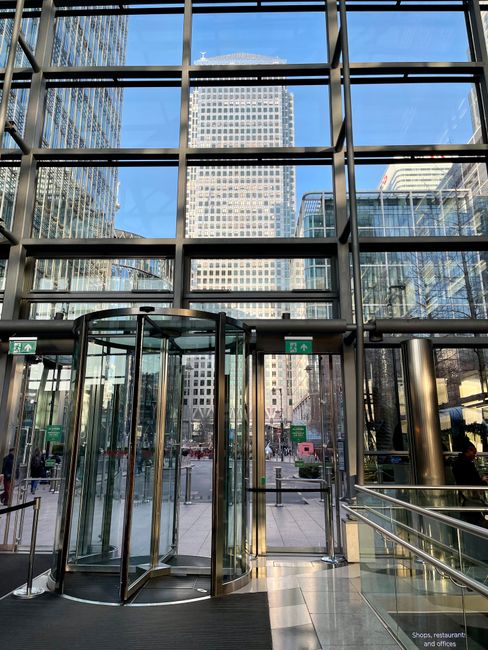
Canary Wharf is a high-expectation business district. Offices there tend to host clients, investors, suppliers, or teams working across hybrid schedules, which means the cleaning standard is visible from the moment someone walks through the door. A tidy reception, streak-free glass, fresh washrooms, and clean break areas all signal competence before a single meeting starts. That sounds simple, but it matters.
Office cleaning in this part of London is also about consistency. Some workplaces are quiet and orderly. Others are constantly in use, with hot-desking, shared kitchens, regular footfall, and late finishes. Local cleaners understand that pattern better than a one-size-fits-all approach because they are working in the same environment day after day. They know the pressure points: lift lobbies, badge-reader touchpoints, shared desks, tea points, and the little places grime likes to hide.
There is also a practical side. When cleaning is handled well, staff spend less time dealing with mess, lost time, or complaints about conditions. You may not hear anyone praise a spotless bin room, but you will definitely hear when it is neglected. Let's face it, that is usually how cleaning gets noticed - when it goes wrong.
For businesses that want a broader service picture, it can help to look at the wider experience of a dedicated cleaning company rather than treating office cleaning as a one-off chore. If your office layout includes carpets, glass partitions, or specialist flooring, the right provider can bring those needs together properly instead of patching things over with a quick surface wipe.
How office cleaning Canary Wharf businesses local cleaners works
Most professional office cleaning starts with a walkthrough or a detailed service discussion. A cleaner or cleaning manager will usually want to understand the size of the office, the number of workstations, the type of flooring, the washroom setup, and how often the space is used. In Canary Wharf, that first conversation often matters more than people expect. A glass-heavy office with a client-facing lobby needs a different routine from a compact back-office suite.
From there, the cleaning schedule is usually tailored. Some offices need daily cleaning before staff arrive. Others only need evening or early-morning visits a few times a week. The service may also include periodic deep cleaning, carpet care, hard-floor maintenance, or window cleaning. For example, a reception area with polished stone flooring may need a more careful routine than a standard carpeted office. If the flooring is a recurring issue, it may be worth looking at hard floor cleaning alongside normal office visits.
Local cleaners normally work around your operating hours. That flexibility is a big part of the appeal. You do not want vacuuming in the middle of a client call, and nobody wants bins taken out while a presentation is happening in the next room. Good cleaners plan around those realities rather than forcing the office to adjust to them.
A solid office cleaning service also uses a clear checklist. That checklist might cover:
- desks and touchpoints
- meeting rooms
- reception and entrance areas
- kitchens and tea points
- washrooms
- floors, skirting boards, and bins
- spot-cleaning for glass, marks, and fingerprints
In practice, that means the cleaners are not guessing each night. They are following a method. That is the difference between work that merely looks done and work that is actually reliable.
Key benefits and practical advantages
The obvious benefit is cleanliness, but there is more to it than that. Good office cleaning affects how people feel, how work flows, and how clients experience your space. In a busy area like Canary Wharf, those details carry real weight.
1. A better first impression
Clients notice the reception area, the smell of the space, the condition of the floors, and whether the meeting room feels cared for. A clean office is not decoration; it is part of business presentation.
2. More comfortable working conditions
People work better in spaces that feel fresh and orderly. Dusty desks, grimy kitchen counters, and overflowing bins create background stress. It is subtle, but very real.
3. Less disruption to staff
Local cleaners can usually work quietly around your hours, which avoids the awkward shuffle of staff trying to tidy up after everyone else. A small benefit, perhaps, but it removes a lot of daily friction.
4. Better hygiene in shared areas
Shared kitchens and washrooms can become problem zones quickly. Regular cleaning reduces the likelihood of build-up, odours, and general grime that tends to spread when too many people use the same space.
5. Protection for fixtures and finishes
Floors, upholstery, glass, and desks last longer when they are cleaned properly. Neglect usually costs more in the long run. A little care now saves a lot of replacement later. Annoyingly true, but true.
6. Easier compliance with internal standards
Many businesses have internal hygiene, health, and image standards that are easier to maintain when cleaning is regular and documented.
If you need more than routine upkeep, some offices also benefit from periodic deep cleaning. That can be especially useful after a busy quarter, before a major client visit, or when the office has simply lost its edge.
Who this is for and when it makes sense
This service is for any business that wants its workplace to feel reliable, presentable, and workable every day. That includes small companies, shared offices, professional services firms, consultancies, start-ups, and larger teams with multiple rooms or floors. Even a modest office can benefit, because the issues that build up in a small space often build up faster.
It makes especially good sense when:
- you have clients visiting regularly
- staff share kitchens, desks, or meeting rooms
- your office looks tired by the end of the week
- there are persistent dust, bin, or washroom issues
- you are moving in, moving out, or reorganising the layout
- your floors, carpets, or upholstery need more than a quick vacuum
There is also a point where office cleaning becomes less of a luxury and more of a management tool. If staff are spending time tidying because no system exists, you are paying twice: once in cleaning gaps, and once in lost focus. Nobody enjoys that. Not really.
For businesses with mixed property needs, office cleaning can sit alongside other services such as window cleaning or even occasional one-off cleaning. That flexibility is useful in Canary Wharf, where image and speed both matter.
Step-by-step guidance
If you are planning office cleaning for the first time, keep the process simple and structured. A lot of avoidable problems happen because the brief is vague.
- Walk through the office
Look at the real-use areas, not just the obvious ones. The kitchen sink, printer corner, conference room table, and door handles may be the true hotspots. - Decide what needs daily, weekly, and occasional cleaning
Not every task belongs in every visit. Segregating tasks helps keep costs sensible and standards high. - Define the non-negotiables
For example: washrooms must always be cleaned, bins must always be emptied, and the reception must never look neglected. - Ask how the cleaners handle access and security
In office settings, that matters a lot. Keys, alarms, building entry, and after-hours access should be agreed clearly. - Set a communication route
Who handles feedback? Who notices missed tasks? One point of contact makes everything easier. - Review after the first few visits
Even a good setup often needs small adjustments. A mat may trap more dirt than expected. A kitchen may need extra attention. That is normal.
A practical tip: start with clarity, not perfection. You do not need a 40-page cleaning manual. You do need a sensible checklist and someone accountable. A bit boring, maybe. Very effective, definitely.
If your office includes carpets that get heavy foot traffic from the lift lobby or corridor, pair the service with a specialist carpet cleaning schedule so dirt does not simply get redistributed by the vacuum. That detail is often missed.
Expert tips for better results
Over time, the best results usually come from small habits, not dramatic interventions.
- Use the office layout to guide the clean. Cleaners should know where people gather most, where spillages are likely, and which areas are purely client-facing.
- Keep products suited to the surface. Glass, wood, laminate, stone, and fabric all behave differently. One cleaner for everything is rarely the right answer.
- Clean high-touch points often. Door handles, switches, fridge handles, lift buttons, and shared desk surfaces matter more than they look.
- Give cleaners permission to flag issues. Leaks, damaged flooring, broken bins, and recurring odours should be reported quickly rather than ignored.
- Schedule periodic maintenance cleaning. Routine cleaning and maintenance cleaning are not the same. A little extra care keeps the office from sliding backwards.
One thing we see quite a lot: businesses assume their office is "not that dirty" because it looks fine at a glance. Then someone wipes a skirting board or moves a chair. Surprise. Dust city. Happens all the time.
If your office is in a building with tougher access or busy common areas, consider using local cleaners who already understand the pace of the area. It reduces friction, and in a place like Canary Wharf, friction tends to eat time.
Common mistakes to avoid
Good office cleaning is not difficult, but it is easy to get wrong in the same few ways.
- Vague instructions - "clean the office" is not enough. Specify what matters most.
- Choosing on price alone - cheap can become expensive if tasks are missed or standards slide.
- Ignoring washrooms and kitchens - these are often the first areas to cause complaints.
- Forgetting specialist surfaces - glass walls, polished floors, upholstery, and shared carpets need tailored care.
- Failing to review the service - cleaning arrangements should evolve with the office, not stay frozen forever.
- Assuming one-off deep cleans solve everything - they help, but they do not replace a regular plan.
A smaller but common issue is underestimating how quickly shared spaces deteriorate. One busy Monday, one rainy commute, one lunch spill, and suddenly the office feels messy by Wednesday afternoon. That is just office life, really.
Tools, resources and recommendations
You do not need a warehouse of fancy products to keep an office in good shape. What you do need is a sensible toolkit and a reliable method. Most good local cleaners will bring their own supplies, but it helps to understand what good practice looks like.
| Area | Useful approach | Why it helps |
|---|---|---|
| Reception | Dusting, glass polishing, touchpoint cleaning | Creates a calm first impression |
| Desks and meeting rooms | Surface wipe-down and careful spot cleaning | Reduces clutter, dust, and residue |
| Kitchen areas | Sink, counters, bin, appliance exterior cleaning | Prevents odours and build-up |
| Washrooms | Sanitising, restocking, and detail cleaning | Supports hygiene and comfort |
| Floors | Vacuuming, mopping, and material-specific care | Extends surface life and keeps the office looking fresh |
For offices with soft furnishings in client areas, ask about upholstery cleaning or even sofa cleaning if the furniture is showing wear. The same goes for smaller break-out seats that collect coffee dust, crumbs, and the occasional mystery stain. We have all seen those. Unfortunately.
If your workplace has a lot of textile surfaces, it can also help to look at rug cleaning and related fabric care so your office does not look clean in one area and tired in another.
And if there has been refit work, repainting, or a handover period, after builders cleaning may be the sensible first step before normal office cleaning starts up again.
Law, compliance, standards, and best practice
Office cleaning touches on health and safety, workplace hygiene, data access, building rules, and staff wellbeing. That means it should be treated as a managed service, not an informal favour. Exact legal duties depend on the workplace, the type of building, and how the service is delivered, so it is wise to keep things cautious and practical rather than assume one setup fits all.
At a minimum, businesses should think about:
- safe use and storage of cleaning products
- clear access arrangements for cleaners
- spill and slip prevention
- appropriate handling of waste and recycling
- confidentiality around desks, screens, and documents
- reporting of hazards, damage, or repeated problems
It is also sensible to ask about insurance, staff vetting, and how health and safety is managed on site. A business should not have to wonder whether a cleaner is covered if a problem occurs. The same goes for knowing who is responsible if something is found damaged after a visit. Those details matter more than people think, and they should be confirmed early. If you want to understand the service provider's approach in more detail, their insurance and safety information and health and safety policy are worth reviewing.
Good practice also includes transparency about service terms, payment expectations, and complaint handling. That way, if something goes off-track, nobody has to rummage around for the basics. For admin-minded readers, the provider's terms and conditions, payment and security, and complaints procedure can help set expectations from day one.
Recycling is another quiet but important part of the picture. Offices generate packaging, paper, food waste, and mixed rubbish, and a thoughtful routine can make disposal cleaner and more responsible. If that matters to your team, look at the provider's recycling and sustainability approach too.
Options, methods, or comparison table
There is no single right cleaning model for every Canary Wharf office. The best fit depends on size, footfall, budget, and how formal your workplace is.
| Method | Best for | Pros | Trade-offs |
|---|---|---|---|
| Daily office cleaning | Busy client-facing or shared offices | Consistent presentation, fewer hygiene issues | Higher ongoing cost than occasional visits |
| Several visits per week | Medium-use offices | Good balance of cost and cleanliness | May need occasional spot support between visits |
| Weekly cleaning | Small offices with lighter traffic | Budget-friendly, simple scheduling | Shared areas can deteriorate faster |
| One-off deep clean | Pre-launch, post-event, or reset situations | Strong visual improvement | Does not replace routine cleaning |
| Specialist add-ons | Carpets, windows, upholstery, hard floors | Better finish and longer life for surfaces | Needs planning and clear scheduling |
Many businesses end up with a hybrid model. That is often the most sensible path. Routine office cleaning handles the basics, while specialist services deal with the stuff that normal cleaning should not be expected to solve on its own.
Case study or real-world example
Picture a small professional office near Canary Wharf with a reception area, two meeting rooms, an open-plan work zone, and a tea point used by a team of twelve. At first, the staff try to manage cleaning themselves. It works for a while. Then the usual pattern kicks in: kitchen counters get wiped only when somebody remembers, bins are emptied late, and the meeting room starts collecting fingerprints on the glass. Nothing terrible, just enough to make the space feel a bit off.
They bring in local cleaners with a clear routine: reception and meeting rooms before the morning rush, bins and kitchens every visit, touchpoints given more attention, and a monthly deeper clean for the carpeted areas. Within a couple of weeks, the office feels different. Not shiny in a fake way. Just calmer. The team notices less clutter, the client areas look more professional, and nobody has to do that awkward "who left this mug here?" shuffle at 8:45 a.m.
The big lesson? The best result came from consistency, not perfection. The cleaners did not magically transform the office overnight. They simply removed the friction points and kept doing it. That is usually how it goes.
For workplaces with lots of door traffic and daylight-facing glazing, folding in a regular window cleaning schedule can make a surprisingly big difference. The room feels brighter. People notice. Even on a grey London morning, which is most mornings, to be honest.
Practical checklist
Use this as a quick pre-booking and review checklist for office cleaning in Canary Wharf.
- Have we listed the highest-priority areas?
- Do we know which tasks need daily, weekly, or occasional attention?
- Have we agreed access, alarm, and security arrangements?
- Are washrooms, kitchens, and touchpoints included clearly?
- Do we need specialist help for carpets, floors, upholstery, or glass?
- Have we checked the provider's insurance and safety arrangements?
- Do we understand complaint handling and service terms?
- Have we set a simple contact process for feedback?
- Is recycling and waste handling part of the plan?
- Will we review the arrangement after the first few visits?
If you can tick most of those off, you are in a strong position. If not, that is fine too. Better to sort it now than discover the gaps after a month of frustration.
Get a free quote today and see how much you can save.
Conclusion
Office cleaning in Canary Wharf is about far more than keeping surfaces tidy. For local businesses, it supports presentation, staff comfort, hygiene, and day-to-day professionalism. The best local cleaners do not just show up with a vacuum and hope for the best. They bring routine, judgement, and the flexibility to work around a busy office environment without causing disruption.
If you get the scope right, choose a cleaner who understands office rhythms, and keep the service under review, the whole space feels easier to manage. Cleaner desks, fresher kitchens, fewer complaints. Simple things, really. But they add up.
And that is often what good office cleaning does best: it quietly gives everyone a better day.
Frequently Asked Questions
What does office cleaning for Canary Wharf businesses usually include?
It usually includes desks, meeting rooms, reception areas, bins, kitchens, washrooms, floors, and touchpoints. Some businesses also add carpet care, window cleaning, or periodic deep cleaning depending on how the office is used.
How often should an office in Canary Wharf be cleaned?
That depends on footfall, office size, and whether clients visit. Busy offices often need daily cleaning, while smaller or lower-traffic workplaces may manage well with a few visits per week.
Why choose local cleaners instead of a national provider?
Local cleaners often bring better flexibility, easier communication, and more practical knowledge of the area. In a busy business district, that can make scheduling and access much smoother.
Do office cleaners work before staff arrive or after hours?
Yes, many do. Early morning and evening cleaning are common because they reduce disruption and allow the office to be ready for the working day.
Can office cleaning be combined with carpet or window cleaning?
Absolutely. Many offices benefit from combining routine office cleaning with services like carpet cleaning or window cleaning to keep the space looking finished rather than just tidy.
What should I ask before hiring a cleaner for my office?
Ask about the service checklist, access arrangements, insurance, product use, confidentiality, complaint handling, and whether they can tailor the clean to your building and working hours.
Is deep cleaning the same as regular office cleaning?
No. Regular office cleaning keeps the workplace in good daily condition, while deep cleaning is a more detailed service for built-up dirt, harder-to-reach areas, or periodic resets.
How do I know if our office needs professional cleaning?
If staff are spending time tidying, if shared spaces look tired quickly, if washrooms or kitchens become a recurring issue, or if the office no longer feels client-ready, professional cleaning is probably overdue.
What are the biggest mistakes businesses make with office cleaning?
The most common mistakes are vague instructions, choosing purely on price, ignoring kitchens and washrooms, and failing to review the service after it starts. Those are the ones that usually cause headaches later.
Can office cleaning support health and safety in the workplace?
Yes. Good cleaning helps reduce slip risks, keeps shared areas hygienic, and supports a safer, more organised environment. It should be part of the broader workplace management plan, not an afterthought.
What if our office has recently been refurbished or built out?
Then an after-builders clean may be the right first step before normal office cleaning begins. That removes dust and debris left from work and gives routine cleaning a proper baseline.
How can I make office cleaning more effective without increasing cost too much?
Be clear about priorities, separate daily tasks from occasional tasks, and review the plan after the first few visits. A well-structured cleaning schedule usually gives better value than simply asking for "more cleaning."